KangbeiJing: Plasma Air Purifier by China Smart Manufacturing with Technology, Standards, Assurance, Scale, Craftsmanship, and Development

Views: 0 Author: Site Editor Publish Time: 2026-06-25 Origin: Site


Humid and rainy periods can make indoor maintenance more difficult. Moisture control, ventilation, cleaning and equipment status should be considered as connected tasks rather than separate actions.
Identify Moisture Sources First
Indoor moisture may come from weather, building details, bathroom exhaust, kitchen water use, indoor drying, window frames or closed storage areas. If the source is not identified, temporary ventilation or odor masking will not create a stable routine.
Public information from overseas agencies can be useful as general reference, but local building conditions, weather and room use still matter. In homes, common checkpoints include window ledges, corners, wardrobes, bedding and air-conditioning filters.
Coordinate Ventilation and Moisture Control
Opening windows for long periods during very humid weather may bring in more moisture. Keeping everything closed can make small spaces feel stagnant. A better approach is to use short ventilation periods when conditions allow, while keeping exhaust, cleaning and drying routines active.
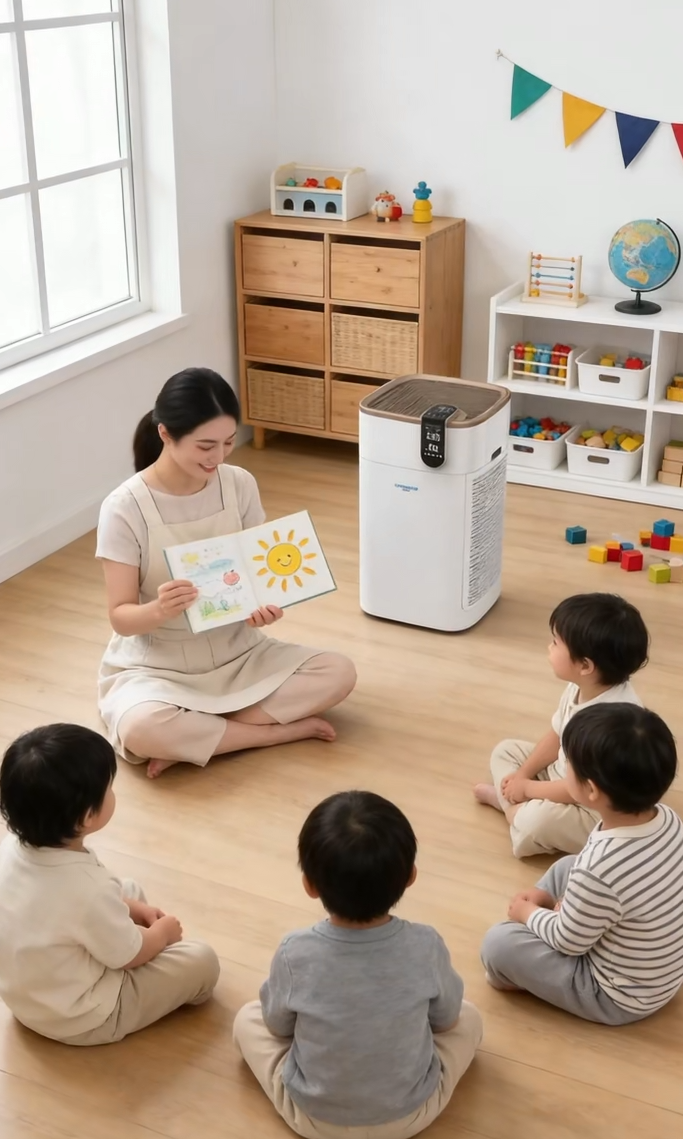
Kangbeijing plasma-technology products may be considered within a broader indoor air management plan, but moisture sources, cleaning routines and equipment maintenance remain essential.
Disclaimer: This article is based on publicly available EPA information and is provided for general educational reference only. It does not replace local standards or official guidance. Specific actions should be judged with room conditions and equipment instructions in mind.