KangbeiJing: Plasma Air Purifier by China Smart Manufacturing with Technology, Standards, Assurance, Scale, Craftsmanship, and Development

Views: 0 Author: Site Editor Publish Time: 2025-11-04 Origin: Site


Recently, Li Ziqi, a traditional culture short video creator who had paused updates for three years, returned to public view with a work themed on lacquerware, a Chinese intangible cultural heritage, sparking heated discussions.

By collecting and reading relevant data, we can learn that the main allergen Li was exposed to during the lacquerware production process is urushiol in raw lacquer. Urushiol is one of the main components of the natural resin that flows out from the phloem lacquer ducts of lacquer trees after manual incision, accounting for 60% to 70% of the total mass of raw lacquer. Urushiol is harmful to human epidermis. Mild contact can cause redness and small dots; in severe cases, it can spread to the whole body with red rashes, and even anaphylactic shock may occur. Allergic symptoms include dermatitis, itching, and erythema, with papules, edema, and exudation appearing within 10 to 14 days. Upon re-exposure to urushiol, immune cells trigger a stronger reaction, symptoms may be more severe, and the onset time may be shortened to 24 to 72 hours.
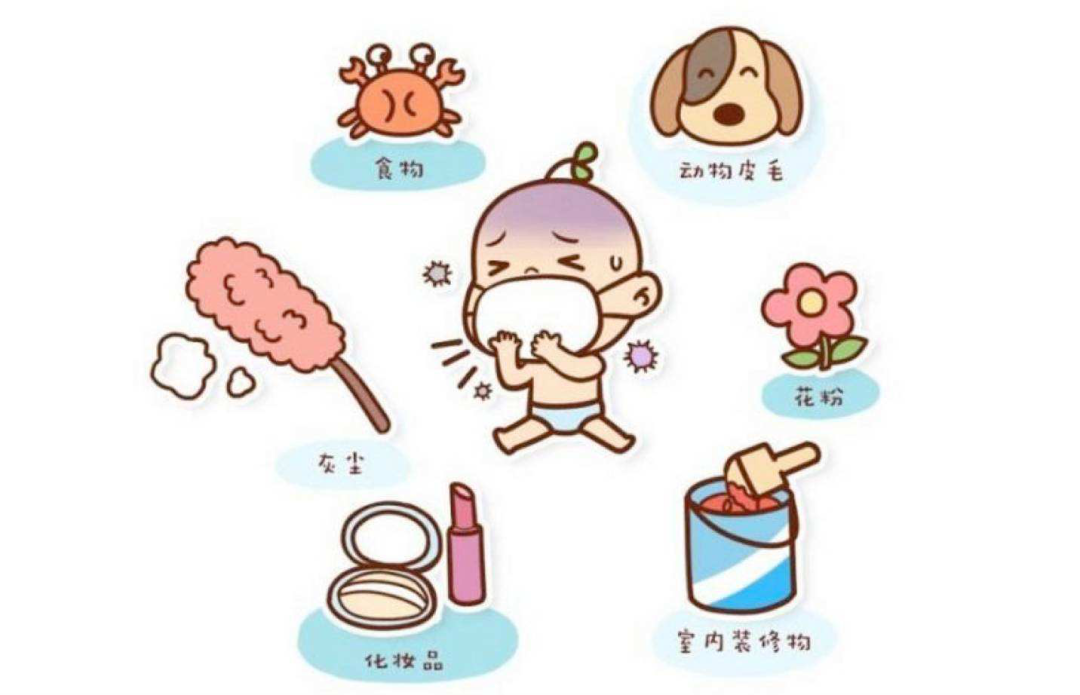
Food allergens: Milk, eggs, peanuts, nuts (such as almonds, walnuts), fish, shellfish, soybeans, wheat, etc.
Inhalant allergens: Dust mites, pollen, mold, animal dander, insects, etc.
Contact allergens: Cosmetics, fragrances, hair dyes, plant sap, metals, rubber products, etc.
Drug allergens: Antibiotics, antipyretic and analgesic drugs, local anesthetics, chemotherapy drugs, etc.
Others: Certain food additives and physical factors such as cold, heat, and light may also be allergy triggers for a small number of people.
Avoid contact with allergens: The most effective way to prevent allergic reactions is to avoid contact with allergens. Understand your allergy history and avoid exposure to corresponding allergens such as food, drugs, and animal hair.
Maintain a clean environment: Keep your home environment clean daily, wash bedding regularly, use air purifiers and dehumidifiers to reduce the accumulation of dust mites, pet dander, and indoor fungi.
Use protective masks and nasal masks: For pollen allergy sufferers, wear protective masks or nasal masks when going out, reduce window ventilation, and use air purifiers to filter out allergens.
Desensitization treatment: For some allergens, subcutaneous injection and sublingual administration can be used to gradually induce immune tolerance in the body, change the immune state, make the patient no longer sensitive to the allergen, and effectively control allergic symptoms.
Physical and chemical methods: Adopt the four-character formula of "cold, heat, dryness, and suction". For example, freeze bedding in the refrigerator to kill mites, wash bed sheets and quilt covers with hot water above 55°C, expose pillows and quilts to the sun, and use vacuum cleaners to remove dust.
Adjust diet and living habits: Maintain a light diet with an appropriate mix of coarse grains, meat, and vegetables, eat less greasy and spicy stimulating food, and consume more foods rich in vitamins. Maintain a regular schedule, avoid staying up late, and clean the house regularly to remove mites.

DBD plasma can destroy the cell structure of allergenic microorganisms, kill mold spores, reduce their activity, and block their spread in the air.
Reactive oxygen species and free radicals in the plasma can decompose pollen grains, destroy proteins on animal dander, and reduce or even eliminate their allergenicity.
Low-temperature plasma can degrade allergenic chemical components in the air, reducing their irritation to the skin and respiratory tract.
Low-temperature plasma acts on the surface of objects, changing the chemical composition of the surface, destroying the allergenic components in it, and reducing allergic reactions after contact.


