KangbeiJing: Plasma Air Purifier by China Smart Manufacturing with Technology, Standards, Assurance, Scale, Craftsmanship, and Development

Views: 0 Author: Site Editor Publish Time: 2026-06-23 Origin: Site


Outdoor air quality information is useful, but it should not be treated as a direct measurement of indoor conditions in every room. Homes, offices and shared spaces have their own sources, airflow patterns and maintenance requirements.
Start With the Room
Public air quality forecasts can help users plan outdoor activities and choose ventilation timing. Indoor decisions should also consider cooking, cleaning routines, air-conditioning filters, moisture, occupancy and how long doors or windows remain closed.
This room-by-room approach helps avoid two common mistakes: assuming that good outdoor readings mean no indoor maintenance is needed, or assuming that every outdoor change immediately creates the same condition indoors.
Build a Practical Routine
A steady routine can include checking public information, reducing indoor sources, using short ventilation periods when conditions allow, and maintaining filters or equipment. Kitchens, bathrooms, storage rooms, meeting rooms and learning spaces often need closer attention because their use patterns differ.
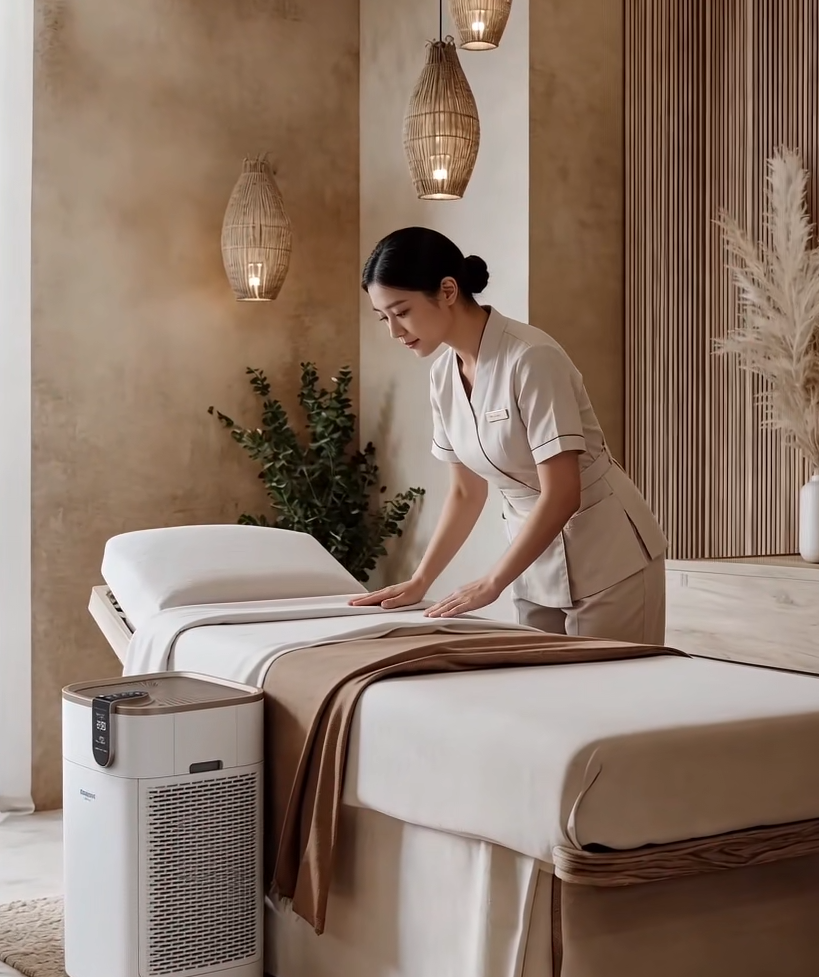
Kangbeijing air purification products can be considered as supplementary tools under different space conditions. Equipment selection should be based on room use, operating requirements and maintenance routines. Equipment should support, not replace, ventilation, cleaning and source control.
Disclaimer: This article is based on publicly available information from the listed sources and is provided for general educational reference only. It does not constitute medical advice. Indoor air management decisions should be considered together with local guidance, room conditions, user needs and equipment instructions.