KangbeiJing: Plasma Air Purifier by China Smart Manufacturing with Technology, Standards, Assurance, Scale, Craftsmanship, and Development

Views: 0 Author: Site Editor Publish Time: 2026-07-10 Origin: Site


Learning spaces need more than tidy desks. During summer, home study rooms, children’s rooms and reading corners may be used more often, making routine cleaning, ventilation and maintenance more important.
Learning Spaces Have Dense Use Patterns
Books, papers, bedding, curtains, rugs and toys can all collect dust. If doors and windows stay closed for long periods while air conditioning runs, the room may feel stale even when it looks organized.
Routine attention should extend beyond the desk. Curtain backs, bed areas, shelves, air-conditioning filters and supply vents can all be part of a simple maintenance checklist.
Make the Routine Repeatable
Families can use daily, weekly and monthly layers: clear desks and floors daily, handle bedding and window areas weekly, and check filters or hard-to-move corners monthly. Short ventilation periods can be added when weather and local conditions allow.
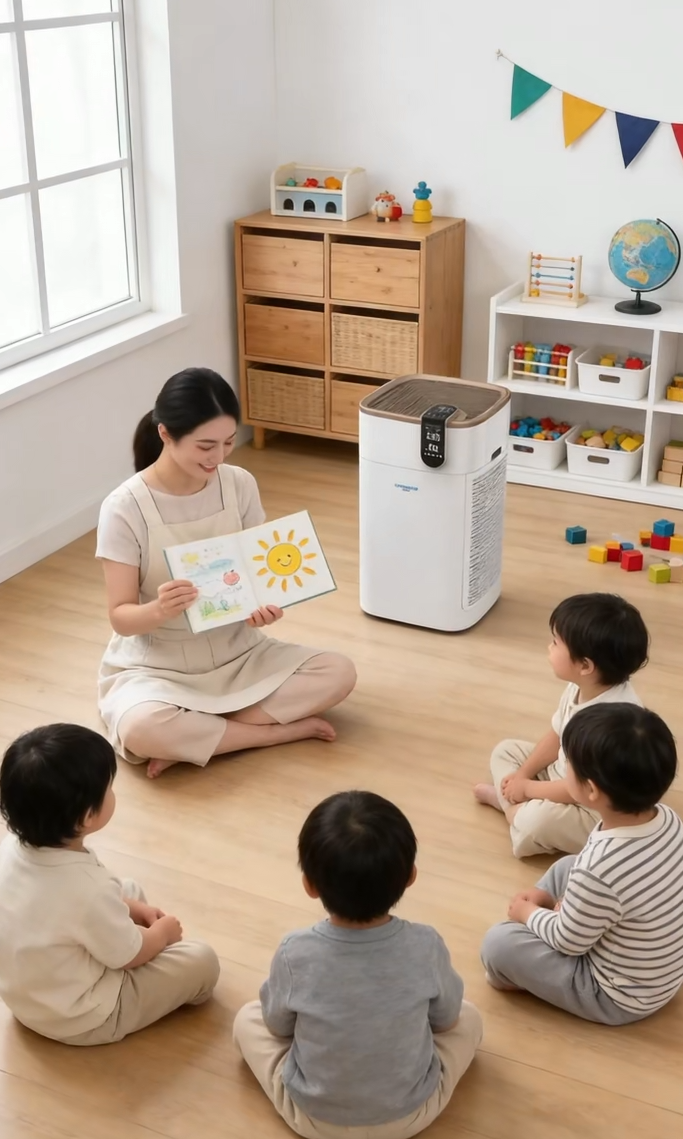
Kangbeijing’s KJ-A9 features a built-in air quality sensor with automatic mode switching, a smart light-sensing screen, and ultra-quiet operation that avoids disrupting study or rest. For learning spaces, product selection should take into account room size, time spent in the room, user habits and maintenance requirements.
From Reactive Cleaning to Routine Management
The long-term value of learning space management lies in making maintenance a habit. During summer, when children spend more time indoors, small, steady and sustainable routines matter more than occasional deep cleaning.
Disclaimer: This article is based on publicly available EPA information and is provided for general educational reference only. It does not replace local school, home or health guidance. If a child has ongoing discomfort, families should consult qualified professionals.